欢迎光临~Shenzhen Medical Cloud Internet Medical Technology Co.,Ltd
语言选择:
 ∷
∷

∷
∷
The integration of artificial intelligence with traditional Chinese medicine has ushered in a new chapter in the modernization of TCM, with the AI-powered TCM assistant emerging as a core product of this digital transformation. Leveraging big data and advanced intelligent models, the TCM AI assistant digitizes and standardizes the traditional diagnostic methods of observation, listening, inquiry, and palpation, as well as syndrome differentiation and treatment. Amid the rapid growth of the health industry, the TCM AI assistant has moved beyond being a conceptual technological gimmick, evolving into an innovative service tool that aligns with market demands and policy directions, offering broad prospects for future development.
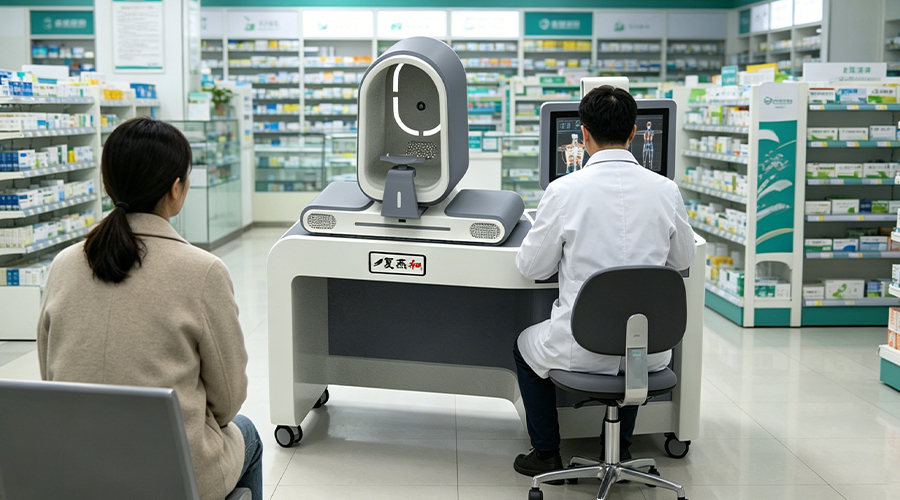
Ongoing policy incentives have laid a solid foundation for the development of AI-powered TCM assistants. The government continues to introduce policies promoting digital transformation in traditional Chinese medicine, encouraging deep integration of artificial intelligence into TCM diagnosis and treatment, primary healthcare, and health management. These policies clearly define a compliant development pathway for TCM AI. Under a standardized regulatory framework, TCM AI assistants are moving away from unstructured growth and steadily advancing toward standardized, professional implementation, providing stable policy support for the industry's long-term development.
Addressing the pain points of traditional Chinese medicine (TCM) lies at the heart of the value offered by TCM AI assistants. Traditional TCM relies heavily on individual physicians' experience, leading to challenges such as difficulty in knowledge transmission, uneven resource distribution, and weak diagnostic and treatment capabilities at the grassroots level. In contrast, TCM AI assistants can learn from vast collections of ancient medical texts and clinical data, transforming fragmented TCM expertise into replicable, standardized services. This not only supports professional practitioners in improving diagnostic and therapeutic efficiency but also helps bridge the gap in primary-level TCM services, enabling ordinary people to conveniently access high-quality TCM healthcare.
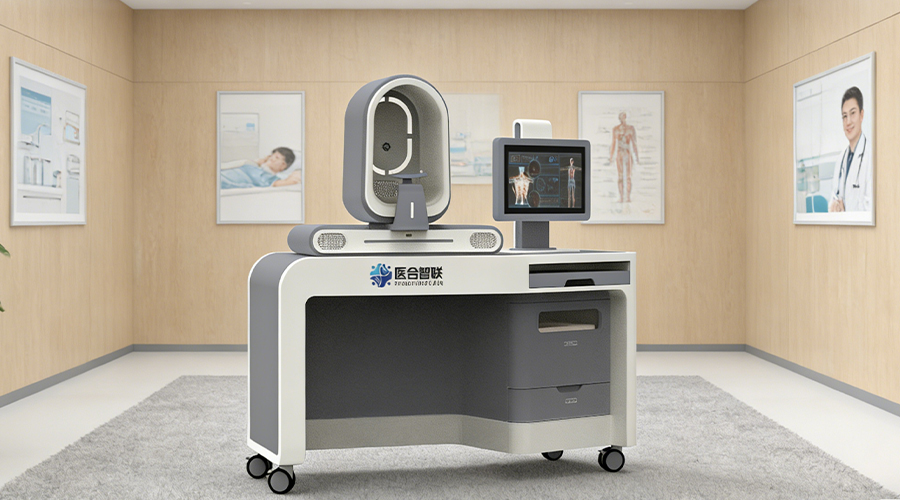
The strong market demand and diverse application scenarios have further expanded the growth space for the AI assistant in traditional Chinese medicine. Currently, the demand for health preservation, chronic disease management, and prevention of sub-health conditions among the general public is continuously increasing, and the concept of "preventing diseases before they occur" in traditional Chinese medicine is widely recognized. In hospital clinical settings, grassroots clinics, home care for the elderly, and traditional Chinese medicine research and development, the AI assistant in traditional Chinese medicine can be applied in various scenarios. It can not only assist in clinical syndrome differentiation and optimize treatment plans, but also provide lightweight services such as physical constitution identification and daily health guidance for the public, covering all levels of health needs. The market potential is enormous.
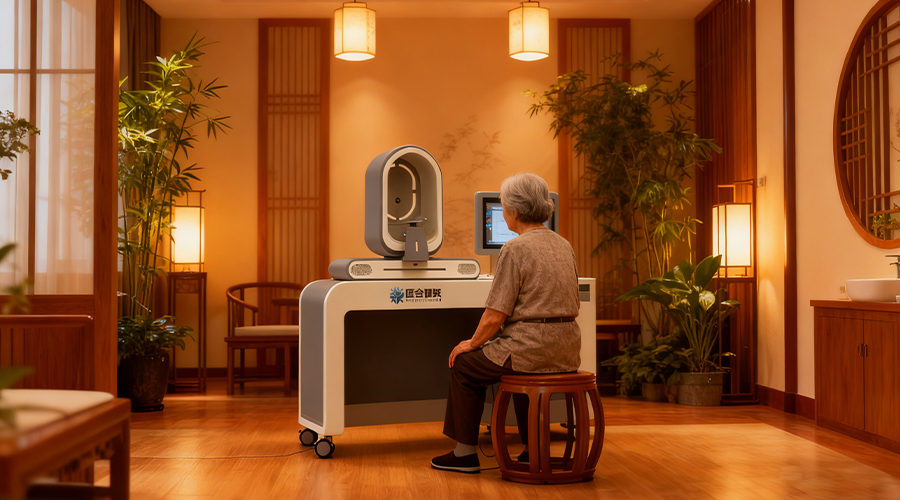
With the continuous iteration and upgrading of AI technology, the professionalism and practicality of the Chinese medicine AI assistant have significantly improved. Compared to the simple question-and-answer tools of the early days, the current Chinese medicine AI assistant can align with the overall diagnostic thinking of traditional Chinese medicine, accurately complete tasks such as syndrome differentiation and customized health care plans, addressing the technical shortcomings of traditional AI and adapting to the scenarios of formal medical services.
Of course, at present, the AI assistant for traditional Chinese medicine still faces certain development barriers. There is a lack of high-quality and standardized TCM data, scarce specialized talents, and the market-oriented business model has not yet fully matured. The public's trust in the industry still needs to be cultivated, which results in the industry being unable to achieve explosive growth in the short term.
联系人:Miranda Law
手机:+86 18124642994
电话:+86 18124642994
邮箱:miranda.law@eyunmed.com
地址: Room 901,Block A,Shuanghuan Industrial Park,Baoqing road,Longgang District,Shenzhen,China