


At 3 a.m., Mr. Li in the eastern part of the village suddenly experienced a sharp increase in his blood pressure. His son connected to the on-duty doctor at the county hospital through the village's health center. Within 15 minutes, the doctor completed the consultation and retrieved the antihypertensive medication from the smart medicine cabinet in the health center. The crisis was successfully resolved. This is a true reflection of the medical transformation initiated by the health center in rural areas. The 24-hour self-service clinic and the health center are collaborating to break through the key links of rural medical services.
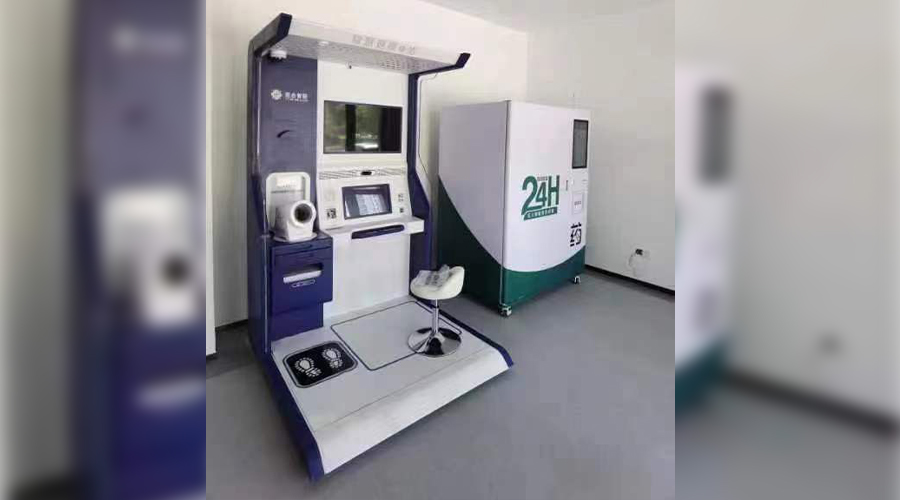
A bridge, three-fold leap
The remote medical bridge, based on the health center as the foundation, has achieved a three-fold leap in rural medical services:
From "Equipment Isolation" to "Smart Network"
We take the health hut as the core node and build a three-level linkage network of "county - township - village". The health hut in the village is fully equipped with testing equipment and 5G video terminals. Villagers can register by facial recognition; the 24-hour unmanned clinic in the township and the health hut in the village can exchange data; the county-level expert consultation center and the drug hub, which cover all the rural health hut sites, extend medical resources downward.
From "one-way delivery" to "two-way interaction"
Using the health cabin as the service platform, a sustainable remote medical ecosystem has been established. Experts from top medical institutions conduct remote consultations through the health cabin on a regular basis, and can respond promptly in case of emergencies; village doctors participate in the consultation process throughout the entire process in the health cabin, and their professional capabilities are simultaneously enhanced; from taking medicine based on consultation at the health cabin to follow-up visits, the entire process is traceable and forms a closed loop.
From "Disease Treatment" to "Health Management"
The health cabin has transformed rural medical care from merely treating diseases to comprehensive health management throughout the entire cycle. Every family can establish an electronic health record in the health cabin, with real-time data updates. The health administrators, relying on the big data of the health cabin, precisely send health reminders. Even children living away can check the test data and health status of their parents in the health cabin through their mobile phones.
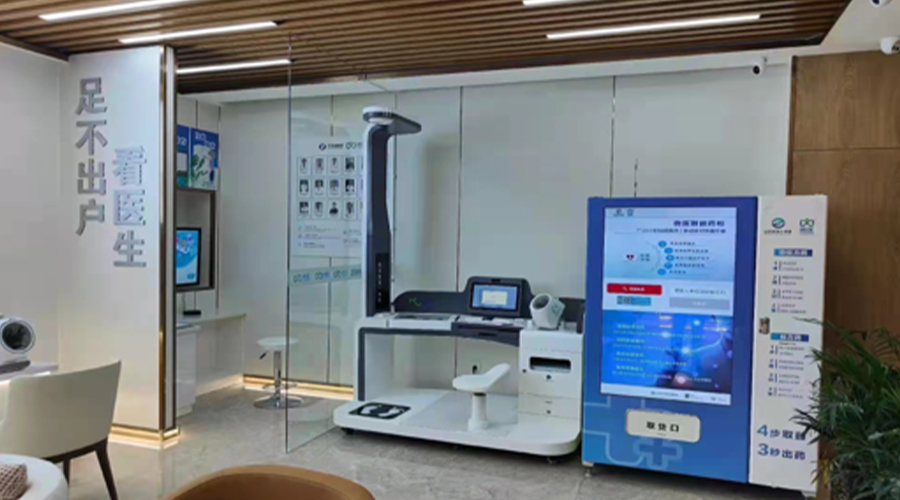
Behind the numbers lies warmth.
After a year of piloting the linkage between the health hut and the 24-hour self-service clinic, this initiative has delivered an impressive social welfare report card: The average distance for villagers to seek medical treatment has shrunk from 34 kilometers to 1.5 kilometers, and the health hut at their doorstep has become a convenient medical service point; The rate of standardized management of chronic diseases has increased from 42% to 79%, and villagers regularly conduct tests and follow-ups at the health hut, achieving more efficient control; The emergency response time during night and holidays has been shortened by 80%, and the 24-hour service of the health hut has made rural emergency care no longer helpless; The medical satisfaction rate of villagers has reached as high as 96.3%, and the health hut truly brings convenient medical care to the villagers.
Replicable wisdom
This rural medical system centered around the health hut adopts a modular design tailored to local conditions, adapting to the needs of different rural areas: The basic version of the health hut is equipped with basic functions such as testing, consultation, and medicine cabinets; The enhanced version adds professional testing equipment and drug delivery; In pastoral and fishing areas, mobile health huts and ship-based health huts can also be customized.
At the same time, we have explored a sustainable operation model using the health hut as a carrier: Government and enterprises jointly build, the government provides venue policies, and the enterprise is responsible for the technology and operation of the health hut; Medical insurance integration, the medical treatment and testing fees of the health hut are included in the new rural cooperative medical care reimbursement; Talent empowerment, training local villagers to become health administrators of the health hut, achieving employment at their doorstep; Market operation, basic services are inclusive, and value-added services are provided on demand, forming a virtuous cycle.