


Health is closely related to the well-being of the people. Primary medical institutions are the frontline in safeguarding the health of the public. Currently, the health demands of the people are continuously increasing, and nearby, convenient, and regular health services have become a necessity. In the past, rural and community residents, especially the elderly and those in remote areas, often faced problems such as inconvenient medical check-ups, insufficient health monitoring, and a lack of health consultation channels. Many health risks were unable to be detected early, leading to small lesions developing into chronic diseases and major illnesses. Health integrated machines have been deployed in communities and rural areas, leveraging their advantages of intelligence, efficiency, and inclusiveness, to break through the "last mile" of grassroots health services, and bring high-quality health services to thousands of households.
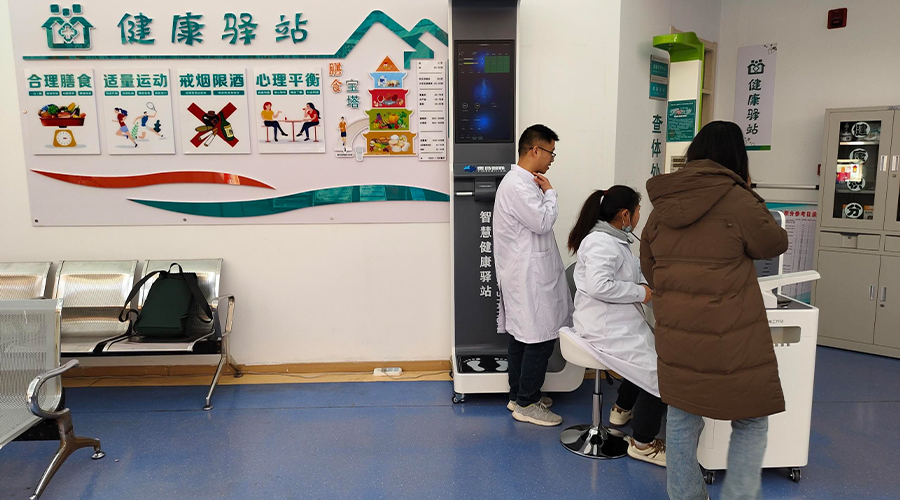
The health integrated machine significantly simplifies the medical examination process and effectively facilitates medical examinations for the public. Previously, when people needed to undergo basic medical examinations, they had to travel to major hospitals, queue up for separate tests, which was time-consuming and laborious. Many elderly people with mobility issues rarely took the initiative to have examinations. Now, health integrated machines are equipped in grassroots health clinics and community service stations, allowing residents to enjoy one-stop basic medical examinations right at their doorstep. The equipment supports voice guidance, has simple operation, and conducts rapid tests. It can complete various services such as routine screenings, annual physical examinations, and chronic disease follow-ups, quickly produce clear reports, effectively solving the problems of long distances for examinations, difficulties in examinations, and cumbersome processes for the public, and greatly saving the time and travel costs of the public.
For key groups such as the elderly, patients with chronic diseases, and elderly people living alone, the health integrated machine provides precise health protection. These groups require long-term and regular health monitoring, but traditional manual follow-ups have limited frequency and scattered data, making it difficult to precisely manage their health. With the help of the health integrated machine, grassroots medical staff can conduct targeted screenings and home visits, accurately record and dynamically track the health data of the people. For abnormal conditions such as blood pressure and blood sugar, personalized guidance on diet, exercise, and medication is provided promptly to intervene in health risks in advance, reducing the risk of chronic diseases worsening and complications, and providing warm and continuous health protection for special groups.
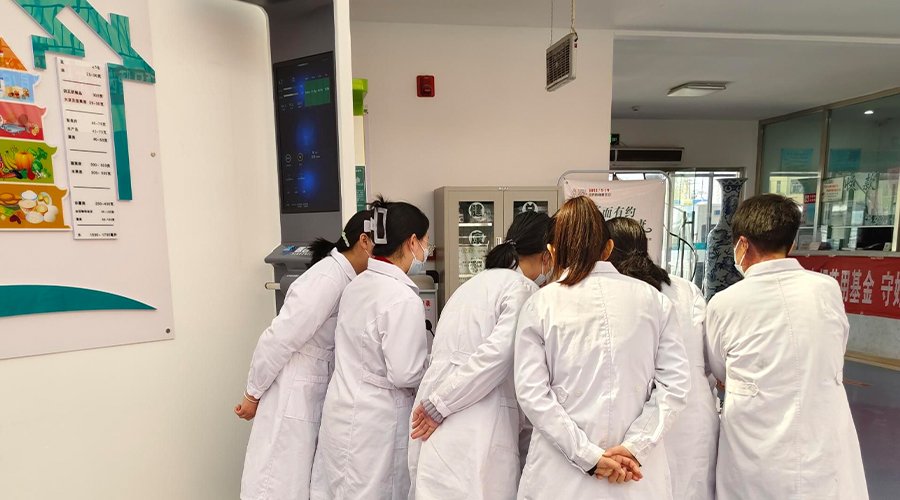
At the same time, the health integrated machine helps to popularize the concept of health and enhance the health literacy of the public. In the past, the forms of health science popularization at the grassroots level were relatively monotonous, and the public generally placed more emphasis on treatment and less on prevention. The popularization of the health integrated machine enables the public to conduct self-health checks at any time and intuitively grasp core indicators such as blood pressure, blood sugar, and heart rate. Medical staff combine the detection data to carry out targeted health education, popularizing knowledge on disease prevention, chronic disease management, and scientific health preservation, guiding the public to establish a "early screening, early prevention, early treatment" health awareness, correcting bad living habits, and reducing the incidence of diseases from the source.
In addition, the health integrated machinestandardizes grassroots public health services and promotes the improvement and upgrading of health management. In the past, there were problems such as lagging updates, incomplete data, and lack of information communication in residents' health records, making it impossible to accurately reflect the health status of the people. The health integrated machine can automatically retain test data, upload it in real time, and synchronize updates to the electronic health records, forming a complete and traceable health data system. It provides scientific basis for the diagnosis and follow-up of grassroots doctors, and also offers data support for regional public health analysis and medical service optimization, promoting the transformation of grassroots health management from a loose style to a refined and intelligent one.