


At 4 a.m. they show up for work, working around the clock in shifts, running back and forth on the hot tarmac - what kind of condition are these air-ground service personnel in? Who is overseeing them?
Air-ground services have extremely high safety requirements: luggage handling, tarmac operations, flight support - each step is closely linked and cannot afford any ambiguity. And the ground service staff work on a shift system, showing up at dawn is the norm. They lack sleep and their biological clocks are disrupted - these conditions cannot be seen from the attendance sheet, nor can they be accurately inquired about at the pre-shift meeting.

Some aviation ground service companies have begun to deploy pre-shift health detection terminals: Before going on duty, conduct a series of tests, including temperature, blood pressure, heart rate, blood oxygen level, and alcohol content. One item at a time. After the tests, the data is automatically entered into the system. If there are fluctuations in the status, the duty manager will receive an immediate alert, and on-site arrangements will be made for reassignment or rest - transforming the previous manual and experience-based attendance confirmation process into a standardized and traceable pre-check.
For shift workers, "whether they slept well or not" is not just a minor matter; it is a safety variable. Incorporating status checks into the shift scheduling and attendance process means moving the safety checkpoint earlier, before they start working. The health check machine for on-site use needs to do exactly the same thing as the checklists for flights, runways, and luggage – it should include the status of "people" in the pre-attendance inspection list.
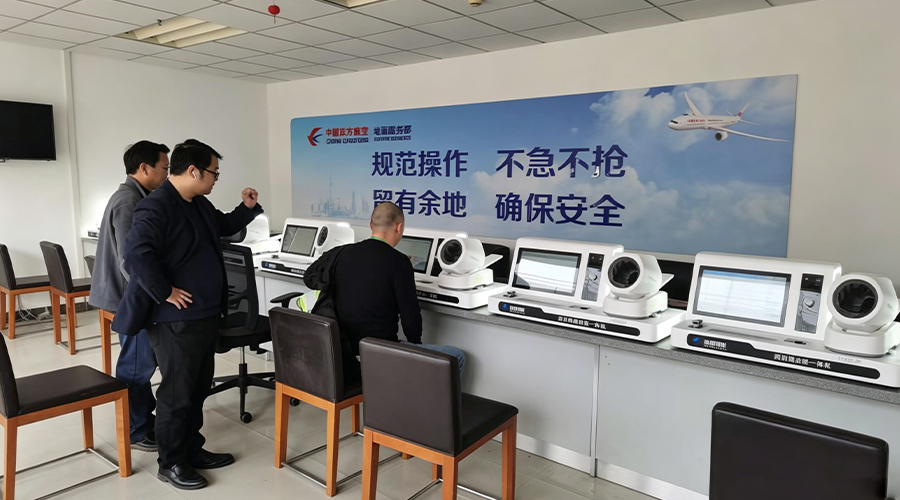
The prerequisite for ensuring passenger safety is to guarantee the condition of the staff. This order cannot be reversed. The pre-shift health detection machine does not diagnose or label anything; it only provides a clear reference to the duty manager before they go on duty: who is in good condition and can continue working as usual; who is advised to pay attention and be given timely care and reasonable allocation. The pre-shift health detection machine makes the hard work of shift changes visible and adds an additional preventive line for each flight guarantee.
Does your shift position have this "condition check" before going on duty?