


Before each flight takes off, the aircraft undergoes pre-flight checks: engines, hydraulic systems, avionics equipment, landing gear... 17 procedures, none omitted.
But what about the person operating this aircraft?
Zero procedures.
The pilot reports for duty, signs in, boards the plane. No one checks if his blood pressure is normal today, no one knows if he had insomnia last night, no one confirms if his heart rate and blood oxygen are within safe limits.
A plane worth billions, with hundreds of lives at stake, entrusted to a person whose "physical condition" is unknown - this is the biggest safety blind spot in the aviation industry.
The plane undergoes airworthiness checks, but pilots do not undergo "personality checks". You wouldn't let a plane without a check take off, so why let a pilot without a check take up duty?
Three major pain points that aviation enterprises cannot avoid
Pain Point 1: Pilots "working while ill" cannot be identified. Pilots face high job pressure, irregular schedules, and cross-time-zone flights, making them a high-risk group for cardiovascular diseases. However, due to professional pride and flight pressure, even if they are unwell, they will choose to "put up with it". What does a sudden high blood pressure-induced dizziness at 10,000 meters mean? There's no need to explain further.
Pain Point 2: The health status of flight attendants "depends solely on their own awareness". Flight attendants stand for long periods, work in an extremely low-pressure environment at high altitudes, and engage in highly demanding service work. Their physical load is extremely heavy. However, the pre-flight briefing only checks appearance and grooming, but not their physical condition. Once a flight attendant has a health problem during the flight, the emergency response capability drops sharply.
Pain Point 3: Aircraft maintenance personnel "operate under fatigue" without warning. Aircraft maintenance personnel work under high-intensity conditions in hot or cold environments on the apron all year round, with frequent night shifts, and the combination of fatigue and health problems is severe. A tremor or a dizzy spell could be the result of missing a single bolt, with irreversible consequences.
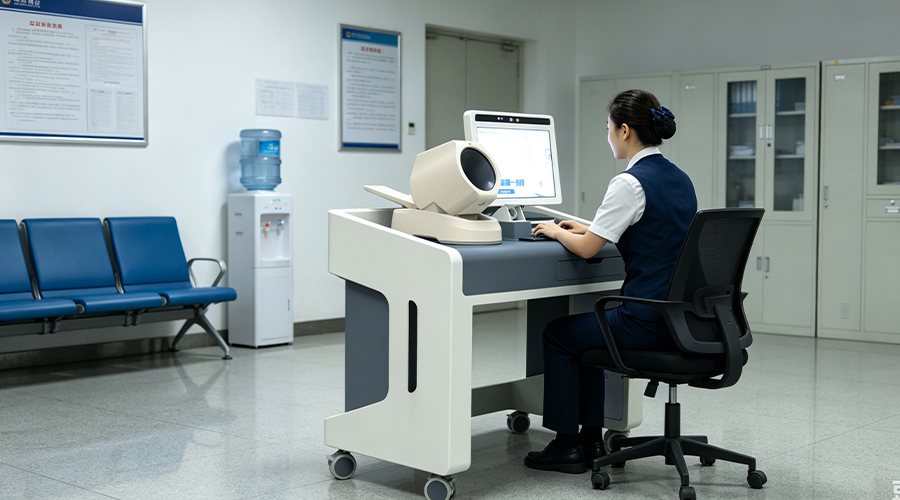
Pre-employment health screening machine: 30 seconds, providing a "safety lock" for flights
The pre-job health screening machine is an intelligent health screening device deployed by aviation enterprises in the registration area for crew members. Before pilots, flight attendants, and maintenance personnel start their shifts, they swipe their cards for screening. Within 30 seconds, multiple indicators such as blood pressure, heart rate, blood oxygen level, and electrocardiogram can be screened.
If the indicators are normal, a green light will be displayed, allowing them to start their shifts. If the indicators are abnormal, the system will automatically issue an alert and block their eligibility for starting the shift. It will simultaneously push the information to aviation doctors and on-duty leaders, and initiate the replacement process.
The system takes care of it without requiring the employees to initiate any action. This is a leap from "relying solely on self-discipline" to "system guarantee".
Actual application scenarios
Scenario 1: Pilot · Pre-flight Inspection
The captain of a flight signed in and was tested by the pre-flight health inspection machine. His blood pressure was 165/100 mmHg and his heart rate was abnormal. The system intercepted his qualification for flight duty, and the flight doctor intervened for assessment and then arranged for a replacement pilot. This captain subsequently sought medical treatment and was diagnosed with stage II hypertension and received treatment - if he had flown that transoceanic flight on that day, a sudden risk occurred at 10,000 meters in the air, the consequences would have been unimaginable.
Scenario 2: Flight Attendants · Pre-flight Screening
A flight attendant who had flown four consecutive flights showed a blood oxygen level of 91% and a high heart rate on the pre-flight health inspection machine. The system issued an alert, and the duty leader adjusted his schedule and suggested rest. This avoided potential safety hazards caused by physical exhaustion during in-flight services.
Scenario 3: Maintenance Personnel · Pre-employment Inspection
A maintenance personnel worked on the night shift for the fifth consecutive day. Before going on duty, he was tested on the pre-flight health inspection machine. His heart rate was abnormal and his blood oxygen level was low. The system determined that "it is not recommended to go on duty". The team leader arranged for a substitute, and after the maintenance personnel sought medical treatment, it was discovered that he had arrhythmia. One test prevented possible operational errors and safety accidents.
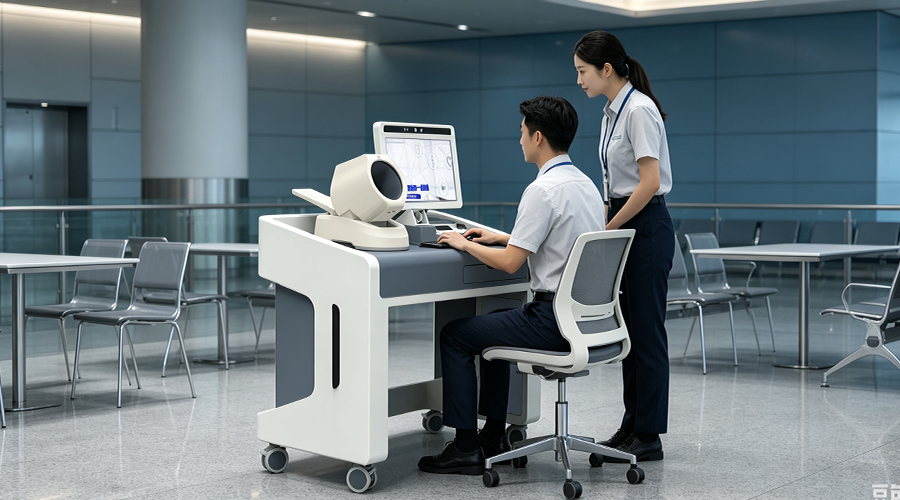
Not only safety equipment, but also the "compliance moat" of the aviation industry
The aviation industry is one of the industries with the strictest global regulations. In the event of a flight accident caused by a crew member's health issue, airlines not only face huge compensation costs - but also face suspension of operations, license risks, and devastating blows to their brand.
The value of the pre-employment health screening machine goes beyond merely "preventing one instance of starting work while sick". It also builds a complete compliance evidence chain for the enterprise, consisting of "testing, warning, intervention, and recording". Each testing record serves as irrefutable evidence that the enterprise has fulfilled its health protection obligations.
Furthermore, the continuously accumulated health data of the crew members can help airlines optimize their scheduling models, identify high-risk positions, and formulate scientific fatigue management plans - upgrading from "post-event accountability" to "pre-event risk control", and from "experience-based management" to "data-based management".