


One of the most common statements among business managers is, "Health management is a cost center, not a profit center." But from another perspective, this calculation might not be entirely accurate.
First, consider the cost of major health incidents among employees—indirect losses, vacancy costs, and the managerial effort required—when added together, they amount to no small sum.
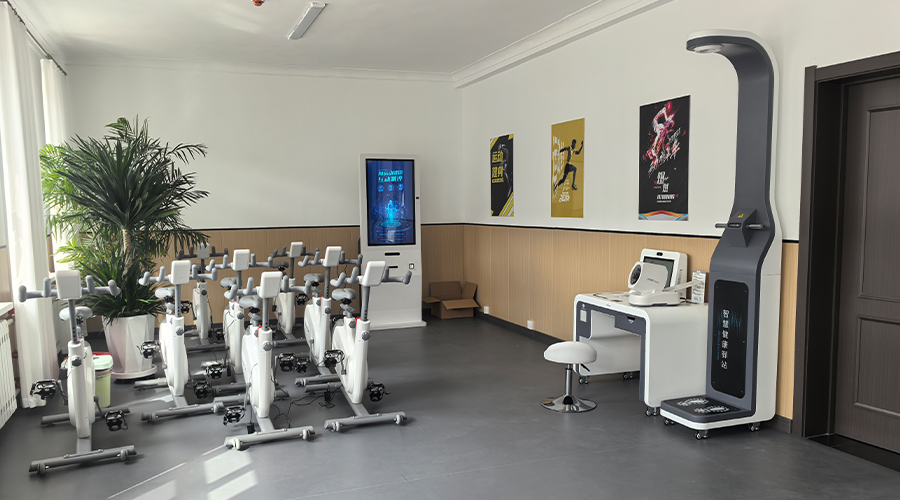
There are three more accounts to consider: absenteeism and reduced efficiency due to poor population health indicators; turnover and rebuilding costs caused by mental health issues; and the annual accumulation of healthcare-related expenses. These indirect losses are unavoidable over time.
But let's look at it differently—does investing in health management mean "spending money" or "saving money"? The answer is: the return comes from the reduction of potential losses. And what reduces these losses? It's defenses like integrated health solutions.
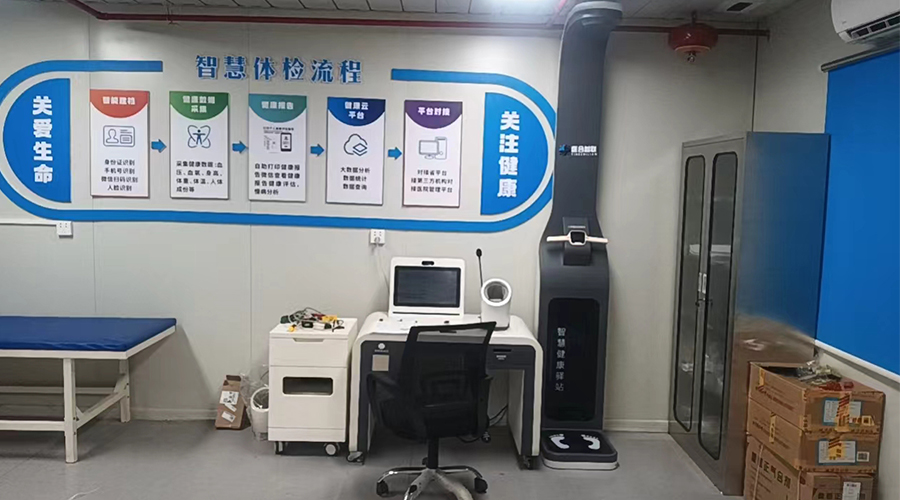
A health integrated machine is placed at the location that employees pass by every day - over the course of a year, it accumulates a large amount of data. The AI automatically generates reports, automatically issues alerts, and automatically tracks. The investment is controllable, and the effect can be quantified. This is not "spending money", but "building a defense line".
Once the defense line is established, how do you calculate its value? Discovering a high-risk employee early can prevent a major health incident; timely capturing a group trend can provide the basis for early intervention. Every time data is input into the health integrated machine, the defense line becomes thicker.
The health integrated machine combined with the management platform transforms "health management" from a cost center to a health investment center - the reward is safety: employee health, production safety, and enterprise peace of mind.
The logic for enterprises to implement health management is "early investment, early implementation, and early accumulation" - the earlier that the health integrated machine reaches the employees, the more stable the defense line will be, and the faster the return will be.
Health management is not just a pure cost; it is a health investment. With one health integrated machine, data is entered into the system every year - this investment yields a return in terms of safety. It is the right time for enterprises to implement this strategy.