


Mining operations in underground mines fall under extremely high-risk scenarios. The environment is characterized by high temperatures, dust, confined spaces, and intense physical exertion, which impose strict requirements on the physical and mental conditions of the workers. Unlike ordinary workshop operations, underground spaces are enclosed and rescue efforts are challenging. Any abnormality in the physical or mental state of the personnel can easily lead to safety accidents, with unimaginable consequences. Therefore, mine safety management not only requires strict control of equipment and processes, but also strict control of the personnel's on-duty status. The pre-job health detection integrated machine has become an indispensable intelligent safety line for the mine entrances.
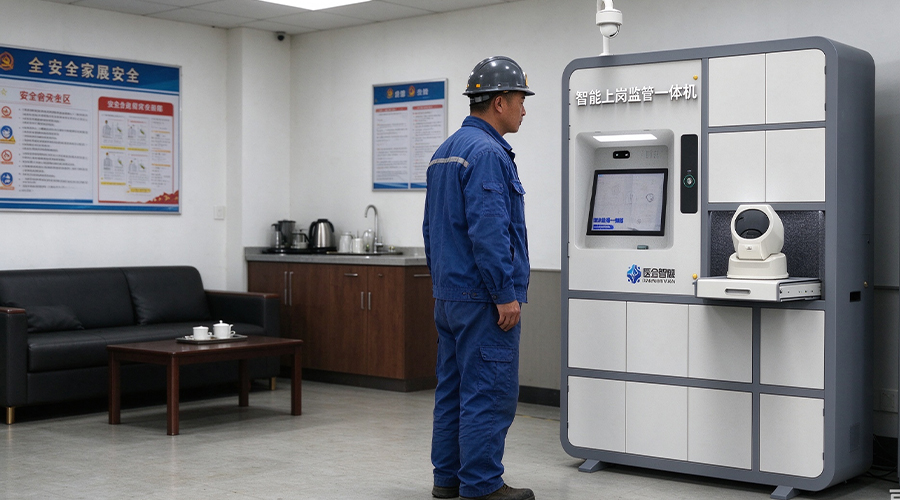
For a long time, pre-shift safety management in mines has focused on controlling the system and procedures, but it has been difficult to precisely monitor the real-time status of personnel. Hidden risks such as fatigue work, physical discomfort, alcohol consumption before work, abnormal blood oxygen and heart rate have been difficult to identify through manual visual inspection alone, and have become a weak link in underground safety management. Deploying pre-shift health detection terminals has completely filled the gap in the pre-shift risk control of mine personnel, upgrading mine safety management from "experience-based control" to "data-based control".
The mining group has deployed pre-shift health detection terminals at fixed points at the mine entrance, establishing a mandatory inspection mechanism for all personnel entering the mine. Before miners go underground to work, they can quickly complete multiple core indicators such as blood pressure, heart rate, blood oxygen, body temperature, and alcohol through the pre-shift health detection terminal, comprehensively screening potential safety hazards before work, and conducting the entire process of self-service operation and high efficiency and convenience without affecting the shift arrangement underground.
During high-intensity underground operations, heart rate, blood oxygen, and other physical indicators directly affect the safety of personnel's work. Even slight fluctuations in status may trigger major risks. The pre-shift health detection terminal can accurately and in real time collect personnel's health data, automatically archive it to form an individual's exclusive health ledger, and the data can be fully traced and queried, meeting the compliance archiving requirements for mine safety production.
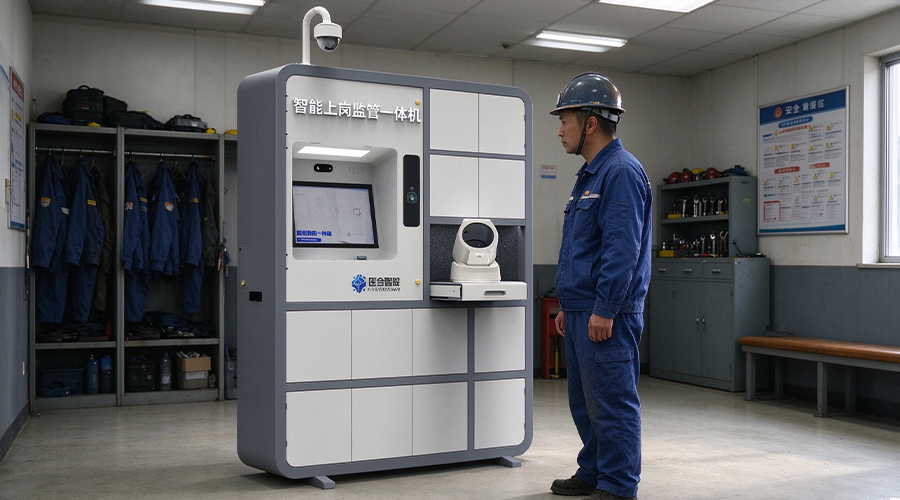
For workers who experience fluctuations in physical condition or abnormal indicators during the inspection process, the pre-job health detection integrated device will automatically trigger an alert, promptly reminding the management to intervene and handle the situation. It will reasonably arrange for personnel to rest or transfer to ground positions, effectively preventing high-risk behaviors such as working while ill, being fatigued at work, or drinking alcohol before work. All personnel's safety risks will be intercepted outside the wellhead.
The safety helmet guards the miners' personal safety, while the pre-job health detection integrated device guards their daily health status and work safety. For high-risk underground positions in mines, a complete safety system can only be established with comprehensive equipment protection, standardized operation procedures, and precise personnel health detection. An additional intelligent data defense line at the wellhead means less unknown risks underground, and all-round strengthening of the foundation for safe production in intelligent mines.