


Compared with the traditional pre-employment health screening model, the core advantages of the pre-employment health screening machine lie in "efficiency, accuracy and convenience", perfectly meeting the needs of high-risk industries where there is high personnel mobility, tight pre-employment screening time and strict screening standards.
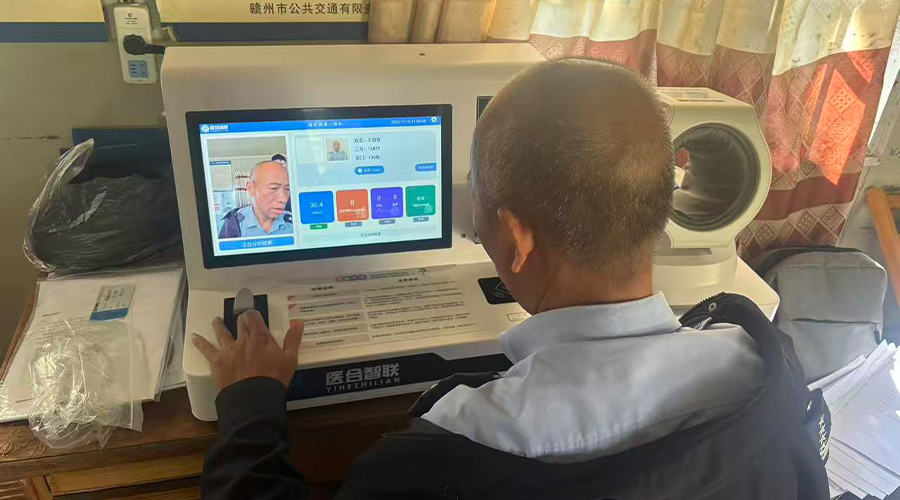
Efficient and convenient, saving time costs
Employees in high-risk industries are numerous and work shifts frequently. Traditional testing requires employees to go to designated medical institutions, which is time-consuming and involves a cumbersome process. This can easily delay the pre-job onboarding progress and even affect production plans. However, the pre-job health testing machine can be directly deployed at key locations such as enterprise factory areas and project department entrances, enabling "one-stop" testing - employees only need to swipe their ID cards or employee badges to quickly complete core project tests such as body temperature, blood pressure, heart rate, blood oxygen, and alcohol content. The entire process only takes 1-3 minutes, no need to wait in line or have manual record-keeping, significantly shortening the testing period, ensuring employees can quickly start work, and reducing production loss due to absence. At the same time, the equipment is easy to operate and does not require professional medical staff to be on duty. Ordinary staff can complete the operation after simple training, further reducing the human resource input cost of the enterprise.
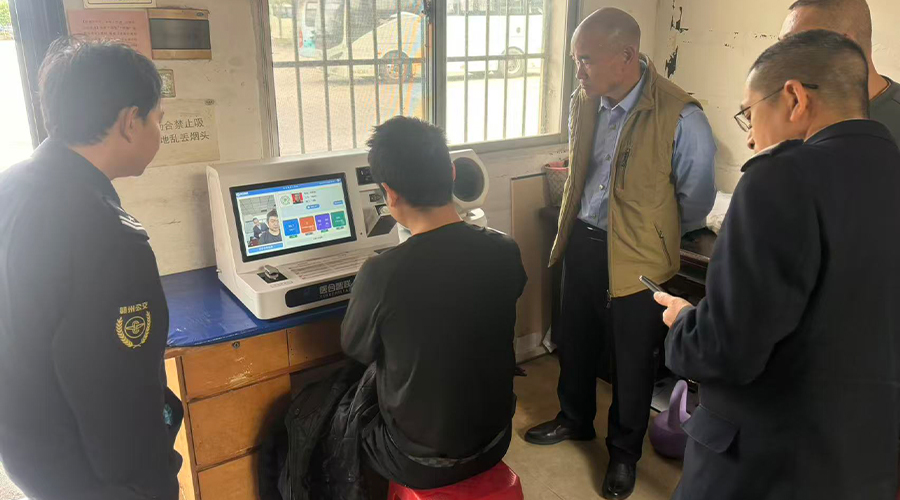
Precise detection to avoid potential safety hazards
Work in high-risk industries places extremely high demands on the physical condition of the workers. Situations such as having hypertension, heart disease, or working under the influence of alcohol can all lead to safety accidents and cause irreparable losses. Traditional manual inspections are prone to be influenced by subjective factors and have the risks of missed detections and false detections. In contrast, the pre-job health detection machine uses high-precision sensing technology to accurately collect various health data, automatically identify abnormal indicators such as elevated blood pressure, excessive alcohol content, or abnormal heart rate, and issue real-time warning prompts to prevent "working while ill" or "working under the influence of alcohol", thus eliminating such violations from the source and avoiding safety risks. Moreover, the pre-job health detection machine supports simultaneous detection of multiple items and can be customized with detection items according to the needs of different high-risk industries (such as adding toxic gas contact residue detection in the chemical industry, and adding vertigo-related detection for high-altitude work). It can adapt to the screening needs of different scenarios and enhance the targeted and comprehensive nature of the detection.
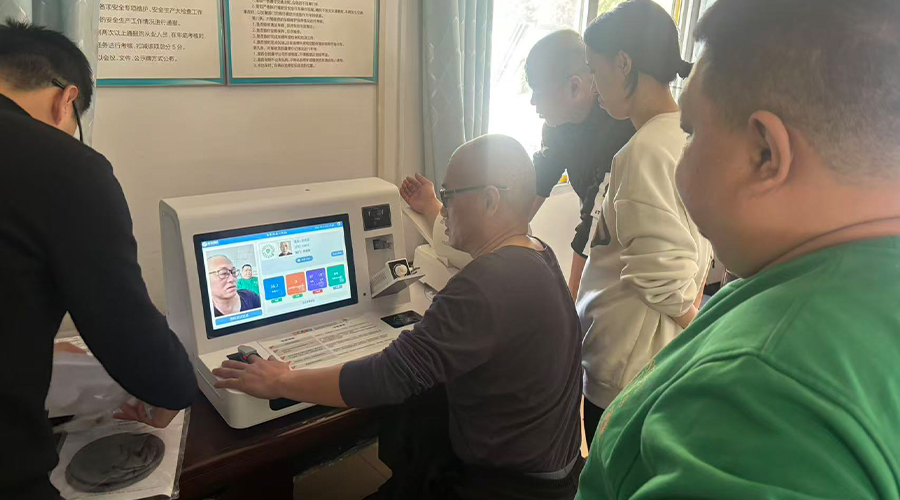
Data traceability, standardized management process
Pre-job health checks for high-risk industries must comply with relevant national safety production regulations. The data from these checks needs to be retained for future reference. The traditional manual recording method is prone to problems such as data loss, tampering, and disorder, making it difficult to meet the requirements of compliance management. The pre-job health check machine can automatically store all the check data, forming an electronic file, and supports quick query and export based on dimensions such as employee name, employee number, and check time, achieving "one person one file, full traceability". At the same time, the data can be synchronized and connected to the enterprise safety management system. Managers can view the test results in real time, conduct focused tracking and proper handling of abnormal personnel, and realize the integration of testing, recording, and management, helping enterprises standardize the pre-job health management process and meet the requirements of safety production compliance inspections.