


The community is the first line of defense for residents' health management. With the acceleration of smart community construction, health integration machines are entering more and more community health stations, enabling residents to enjoy convenient and professional health testing services right at their doorstep.
I. The Current Situation and Needs of Community Health Management
Community health service centers undertake multiple functions such as chronic disease management, health records, and health education. However, due to limitations in manpower and equipment, residents' daily health monitoring is often not convenient. Elderly people have to wait in queues at hospitals for a long time, while young people are too busy with work to have physical examinations. The continuity of community health data is difficult to guarantee. The introduction of health integration machines effectively fills this gap - transferring professional detection capabilities to the community, integrating health management into residents' daily lives.
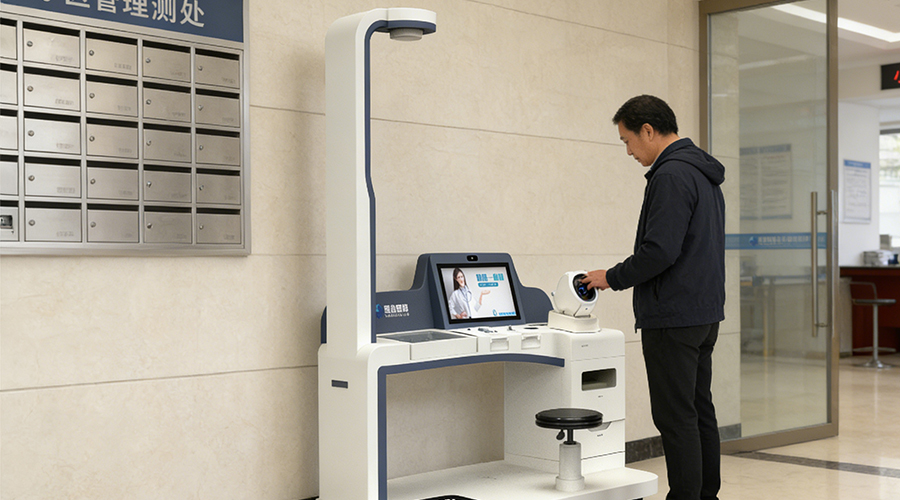
II. Health Integration Machine: The Core Equipment of the Community Health Station
The health integration machine integrates multiple detection functions such as blood pressure, blood oxygen, electrocardiogram, body temperature, height and weight, body fat percentage, etc. Residents can log in by swiping their ID card or through facial recognition. A comprehensive screening can be completed in just a few minutes. The detection data is automatically synchronized to the community health management platform, creating a dynamic health record for each resident. It also supports abnormal indicator alerts, helping community doctors promptly monitor high-risk individuals.
III. Three Applications of Health Integration Machine in the Community
• Daily Self-Testing: Deploy the health integration machine in the community party and mass service center or health station. Residents can conduct self-testing downstairs. Chronic disease patients can regularly monitor blood pressure and blood sugar trends.
• Chronic Disease Follow-Up: Community doctors use the health integration machine to conduct regular follow-ups for contracted residents. The detection data is automatically archived, replacing manual recording, significantly improving the follow-up efficiency.
• Health Education: Based on the group data collected by the health integration machine, the community can conduct targeted health lectures on hypertension, diabetes, etc., making the education more evidence-based and more relevant to the local context.
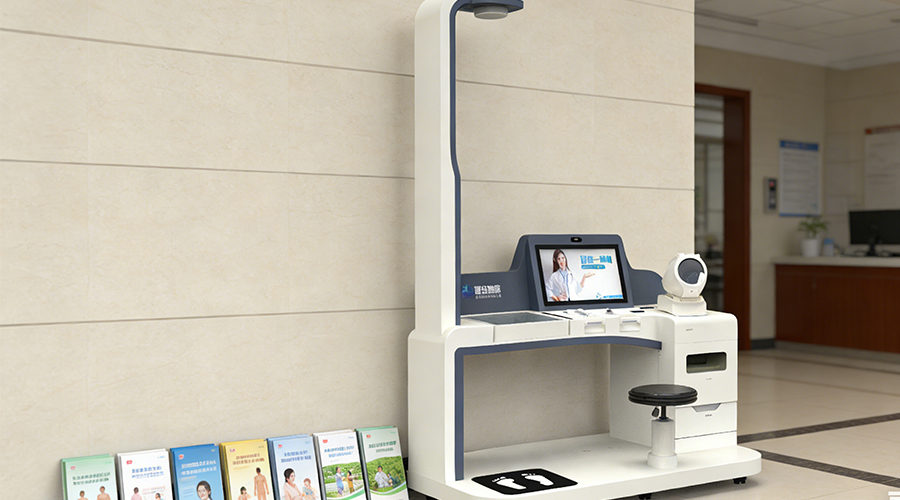
II. Health Integration Machine: The Core Equipment of the Community Health Station
The health integration machine integrates multiple detection functions such as blood pressure, blood oxygen, electrocardiogram, body temperature, height and weight, body fat percentage, etc. Residents can log in by swiping their ID card or through facial recognition. A comprehensive screening can be completed in just a few minutes. The detection data is automatically synchronized to the community health management platform, creating a dynamic health record for each resident. It also supports abnormal indicator alerts, helping community doctors promptly monitor high-risk individuals.
III. Three Applications of Health Integration Machine in the Community
• Daily Self-Testing: Deploy the health integration machine in the community party and mass service center or health station. Residents can conduct self-testing downstairs. Chronic disease patients can regularly monitor blood pressure and blood sugar trends.
• Chronic Disease Follow-Up: Community doctors use the health integration machine to conduct regular follow-ups for contracted residents. The detection data is automatically archived, replacing manual recording, significantly improving the follow-up efficiency.
• Health Education: Based on the group data collected by the health integration machine, the community can conduct targeted health lectures on hypertension, diabetes, etc., making the education more evidence-based and more relevant to the local context.