


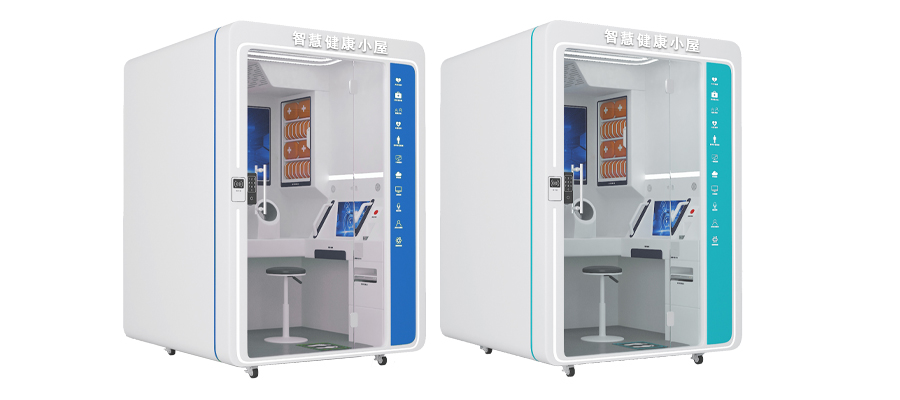
Smart Health Hubs represent a new model of healthcare service, typically located in communities, pharmacies, enterprises, schools, and other public places, offering residents convenient and comprehensive health services. MedCloud's Smart Health Hub not only provides basic medical care but also features multiple functions such as health monitoring, health education, and chronic disease management.
These hubs are usually equipped with various types of health monitoring devices, including blood pressure monitors, glucose meters, and body fat scales, enabling residents to conduct regular health checks at any time and transmit the collected data to relevant health management institutions or physicians. Based on this data, doctors can offer personalized health guidance and disease risk assessments, helping individuals better manage their health.
In addition, Smart Health Hubs provide health interventions and chronic disease management services, such as customized exercise plans, dietary recommendations, and lifestyle modifications, helping residents improve their daily habits and reduce the incidence and mortality rates of chronic diseases. Moreover, these hubs can integrate with teleconsultation platforms to deliver online medical services, simplifying the traditionally cumbersome process of seeking medical care.
The widespread adoption of Smart Health Hubs holds significant importance for improving public health, reducing healthcare costs, and promoting community development. They not only offer residents more accessible and comprehensive health services but also contribute to the broader accessibility and optimization of medical care, ultimately enhancing overall public health.
Provide Basic Medical Services
Health Hubs offer residents fundamental medical care, helping reduce the time and cost associated with seeking treatment at distant facilities.
Effectively Prevent and Control Chronic Diseases
Through Health Hubs, individuals with chronic conditions can receive long-term health monitoring, along with personalized health and dietary guidance. This enhances their health awareness, fosters healthy lifestyle habits, and helps keep their conditions under control or even improves them.
Deliver Convenient Health Services
By establishing widespread locations in communities, pharmacies, enterprises, and schools, Health Hubs integrate all members of the public into a comprehensive health management system, enabling "minor and chronic illnesses to be managed without leaving home or the neighborhood," making it easier for residents to access healthcare services.
Address the Challenges of an Aging Population
Leveraging advanced health monitoring technologies and professional health service providers, Health Hubs deliver services such as chronic disease monitoring, disease prevention, daily wellness support, and emergency alerts for elderly populations, supporting home-based and community-based eldercare.
Reduce Barriers to Healthcare Access
In certain regions—especially rural areas—many residents face difficulties accessing medical care due to poor transportation or lack of medical facilities. Health Hubs help address this issue by providing convenient and accessible medical services.
Enhance Early Disease Intervention
They facilitate interaction and coordination between residents and community doctors, improving early intervention capabilities for various diseases. This increases early detection and management rates for chronic conditions like hypertension and diabetes, ultimately reducing disease incidence and mortality.