


Before equipment is put into use, it needs to undergo safety inspections. But what about the operators of the equipment? In factories, before starting the equipment, there are inspection forms: checking if the screws are loose, whether the oil pressure is sufficient, and if the circuits are connected properly - none of these can be omitted. But do the operators of the equipment undergo "inspection" before starting their shifts? If the equipment is in a bad condition, an alarm will sound. However, if the operator's condition is poor, they won't be able to alert themselves. This lesson is exactly what the pre-shift health detection machine needs to address: what it does is conduct the "operator's inspection" before starting work.
How does the pre-shift health detection machine "inspect"? It's very simple - employees simply scan their faces or their work cards, and within 3 minutes, multiple health indicators can be measured: blood pressure, heart rate, blood oxygen, body temperature, alcohol content, and self-assessment of psychological state. One indicator at a time is measured, and records are kept for each one. The previous confirmation of the pre-shift status through "visual inspection and intuition" is transformed into a standardized and traceable process.
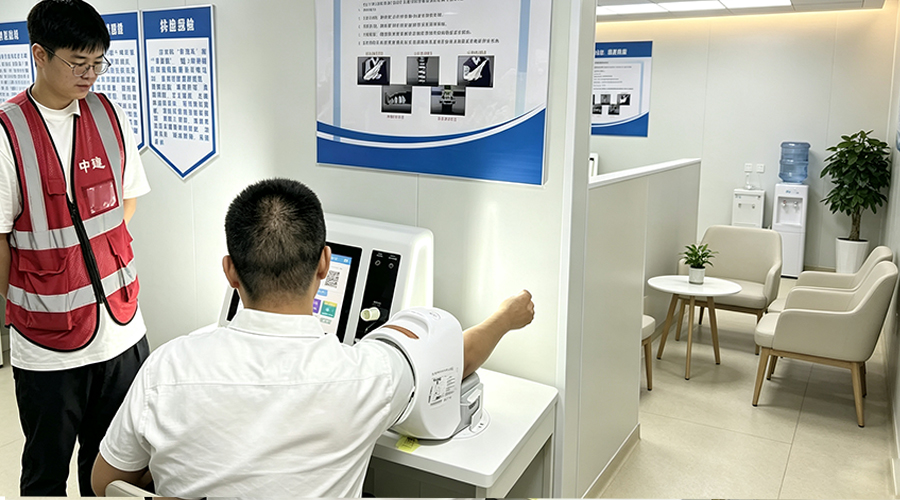
Why should this "inspection" be carried out on the equipment and in the form of a process? Because equipment has records, and people should also have records. The integrated health check system for positions will automatically save the measurement results of each pre-shift check. Managers can view them at any time by person or by team, and they can also see the trend changes: who has a condition that requires attention for consecutive days, and which team needs more reminders. All information is displayed on one screen, and there is evidence to support it. Equipment inspection is to prevent damage, and personnel inspection is to avoid accidents - to minimize risks before they occur.
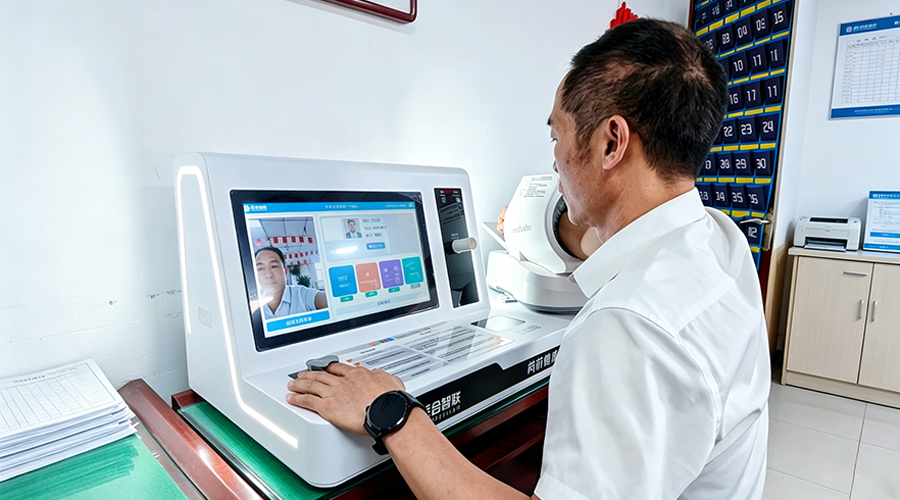
The pre-job health inspection machine is not intended to "hold anyone back", but rather to prompt managers to ask themselves: Is there really no problem today? Incorporating "people" into the pre-job inspection checklist - ensuring both the equipment is in good condition and the people are healthy - makes the safety production process truly form a closed loop.
For the first 3 minutes of the shift, safety prevails throughout the day. The pre-job health inspection machine extends the equipment inspection to "personnel inspection" and includes "people" in the pre-job checklist - this integrated and continuous closed-loop system is precisely why more and more enterprises incorporate it into their pre-shift meetings.