


Health Hut: Solving Three Problems in One Space
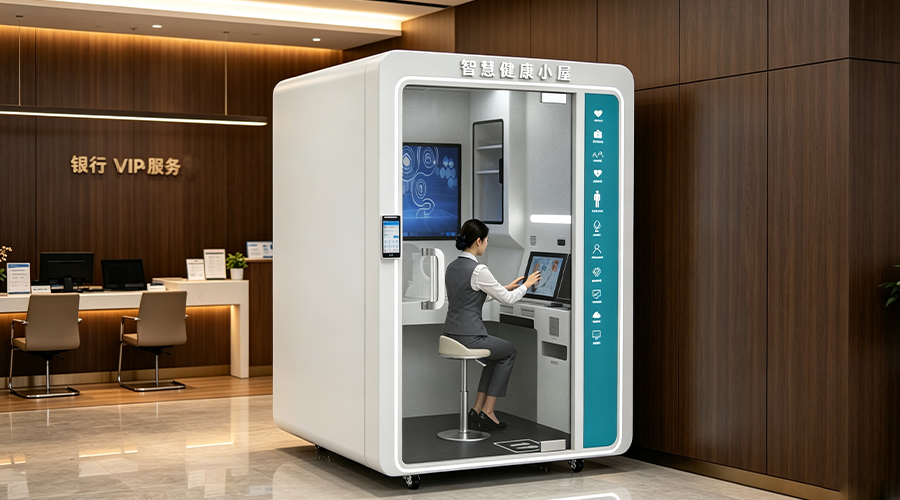
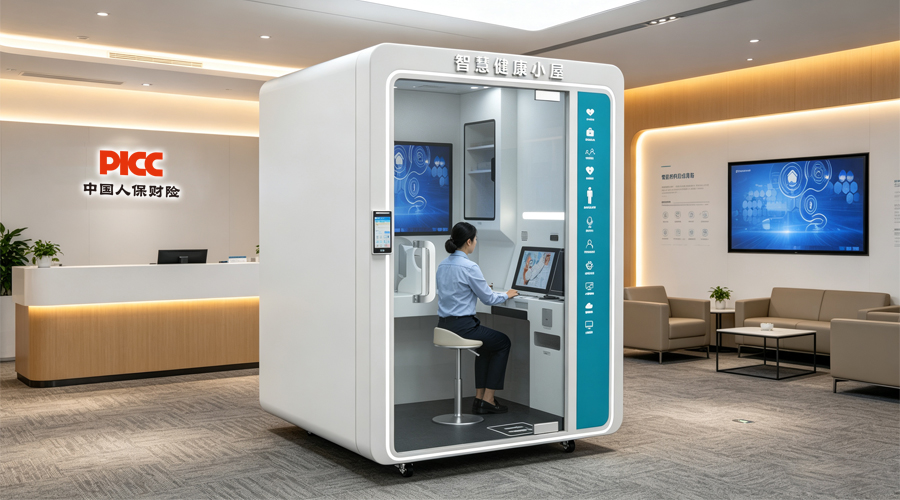
A Health Hut is a few square meters of space set up at a bank branch, insurance office, or customer service center, equipped with professional health testing equipment. This allows customers and employees to quickly complete tests for various indicators such as blood pressure, heart rate, blood oxygen, and electrocardiogram at any time.
It may seem simple, but it can simultaneously address three major pain points for insurance and banking enterprises:
For customers - The Health Hut is a "traffic draw tool". Customers are willing to enter the branch to measure their blood pressure, and the frequency of visits increases significantly. Insurance customers now have a continuous health detection touchpoint, no longer "disappearing after purchase", and the renewal rate and referral rate naturally increase.
For employees - The Health Hut is a "safety barrier". Frontline employees can test at any time, and the system automatically alerts, turning "annual physical examination once a year" into "daily protection every day", intercepting risks before they turn into accidents.
For insurance companies - The Health Hut is a "risk control outpost". The continuous collection of customer health data helps insurance companies identify high-risk customers and design differentiated premium plans, shifting from "passive claims" to "active risk control".
Actual application scenarios
Bank branches · Customer attraction
After a city commercial bank set up health booths at its community branches, the residents in the surrounding area have developed the habit of coming to measure their blood pressure and check their heart rates every week. The average number of customers visiting the branches per month has increased by 40%, and the conversion rate of financial services has also risen simultaneously.
Insurance Workplace · Employee Protection
An employee working at the counter of a life insurance company conducted a health check in the company's health center and discovered that his blood pressure was persistently high. After the system issued an alert, he promptly sought medical treatment, thus avoiding potential sudden risks.
Insurance Products · Risk Control Enhancement
A health insurance company utilized the customer health data collected from the health cabins to launch "health management type insurance" products. Customers who regularly undergo tests can enjoy premium discounts, and the claim payout rate has decreased by 12%.
Why now?
The competition in the insurance and banking industry has entered the "service differentiation" stage. The differences in interest rates, fees, and products are becoming smaller and smaller. What truly sets a gap apart is customer experience and risk management capabilities.
The investment in a health cabin is much lower than the cost of a marketing campaign, but the improvement in customer stickiness, the reduction in employee risks, and the accumulation of risk control data it brings are long-term compound returns.
When peers have already built a "finance + health" service barrier with health cabins, every day of hesitation is a loss of customers and opportunities.