


The test results from a certified medical-grade health screening device can serve as a reference for medical consultation, but they cannot be used as the final basis for clinical diagnosis, treatment, or prescription. Although these two seem similar, they have clear usage boundaries—this distinction is a key point that the public needs to clearly understand when undergoing routine health check-ups and seeking medical care.
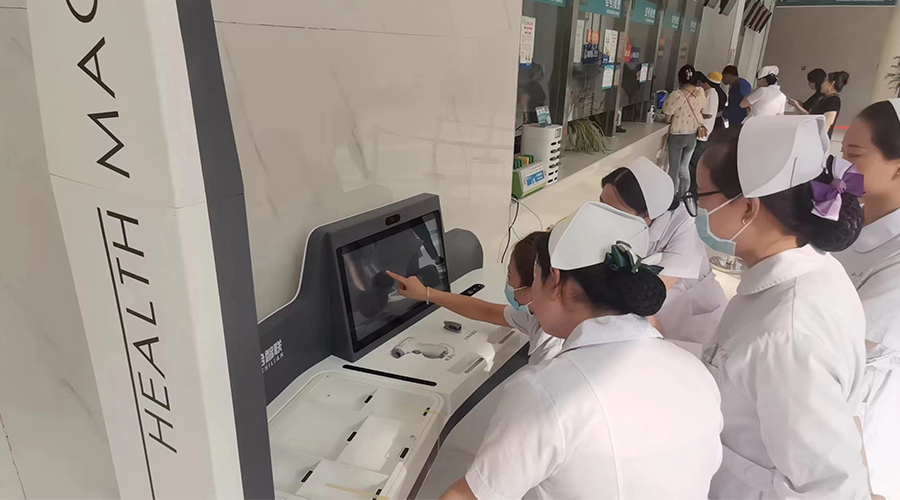
Why can the data from health monitoring devices be used as a reference for medical treatment?
Many people mistakenly believe that health monitoring devices are just ordinary civilian electronic products, and the data is only for entertainment and reference. However, this is not the case. The health monitoring devices that are compliant and reliable on the market have their core detection modules following national medical testing standards. The accuracy and stability have been professionally certified. Compared to the "instant data" from a single medical examination in hospitals, the biggest advantage of health monitoring devices is that they can achieve long-term, multiple, and regular monitoring. The continuous detection data recorded by health monitoring devices can clearly show the fluctuation patterns of indicators such as blood pressure, heart rate changes, and blood oxygen status. When seeking medical treatment, providing these historical data and change curves to the doctor can help the doctor quickly understand the basic condition of the body, identify potential risks, and judge the development trend of the disease, providing important assistance for the initial diagnosis.
Especially for people with chronic conditions such as hypertension, hyperlipidemia, and sub-healthy cardiovascular conditions, the long-term self-measurement records have extremely high reference value for doctors to adjust treatment plans and evaluate the effectiveness of the treatment.
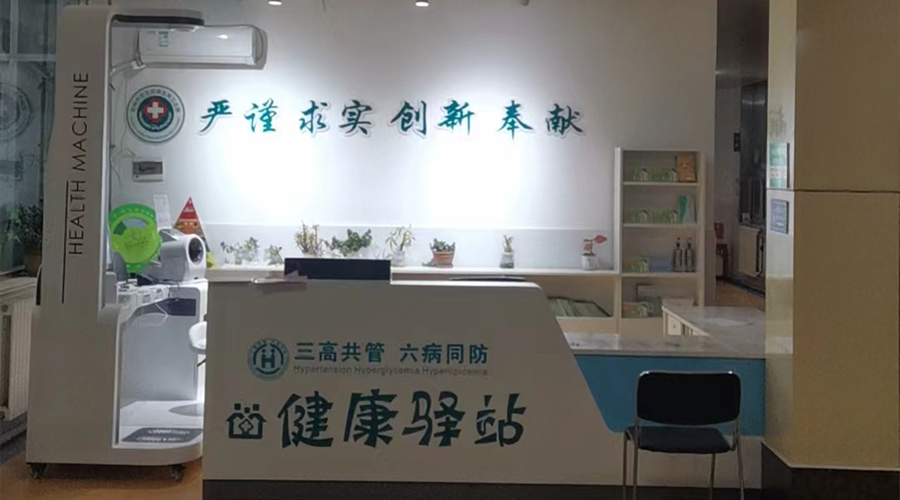
Why can't it be regarded as the final basis for hospital diagnosis?
Hospital diagnosis is a comprehensive judgment process. Doctors diagnose diseases by not only looking at the values of various physical indicators, but also combining multiple dimensions of information such as patient symptoms, medical history, specialized examinations, and imaging results for comprehensive assessment. However, health all-in-one machines can only provide basic physiological data and cannot complete in-depth pathological screening. Therefore, they cannot be used as formal medical certificates for diagnosis, medication, surgery, or hospitalization.
At the same time, it should be noted that ordinary consumer-level health all-in-one machines without medical device qualifications have no guarantee of accuracy and no professional calibration standards. The data has a large deviation. They are not recommended as any reference for medical treatment and can only be used for simple self-testing and entertainment in daily life.
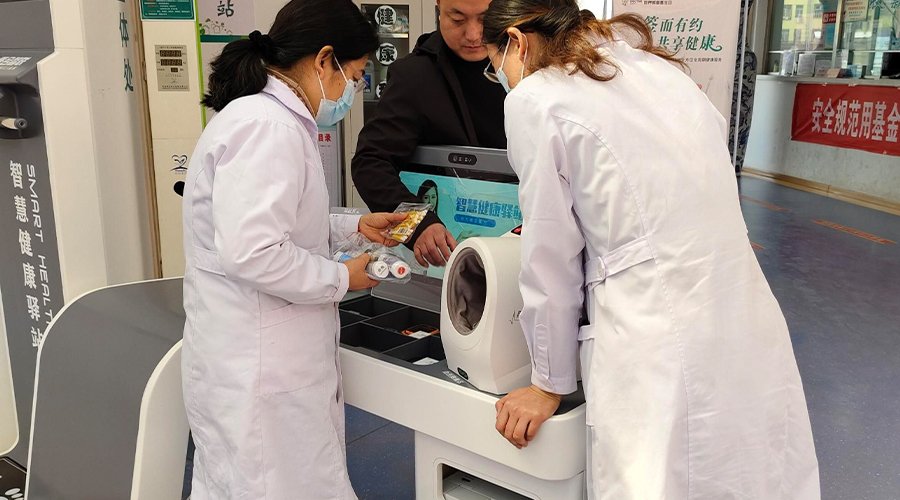
Identify the right position and make scientific use of the health integrated machine.
The health integrated machine is not a substitute for "professional hospital testing equipment", but it is a high-quality tool for daily health screening, chronic disease monitoring, and medical assistance. Its core value lies in enabling the public to easily grasp their physical condition without having to visit the hospital, detect potential health risks in advance, and provide effective references for medical diagnosis.
In simple terms: for daily self-testing, trend observation, and medical assistance reference, a regular health integrated machine is fully sufficient; for disease diagnosis, clinical treatment, and medical judgment, the professional examination results of the hospital must be taken as the standard. Correct usage and rational perception are necessary to truly allow technology to safeguard our physical health.